Household Items that may be Harmful to Your Puppy
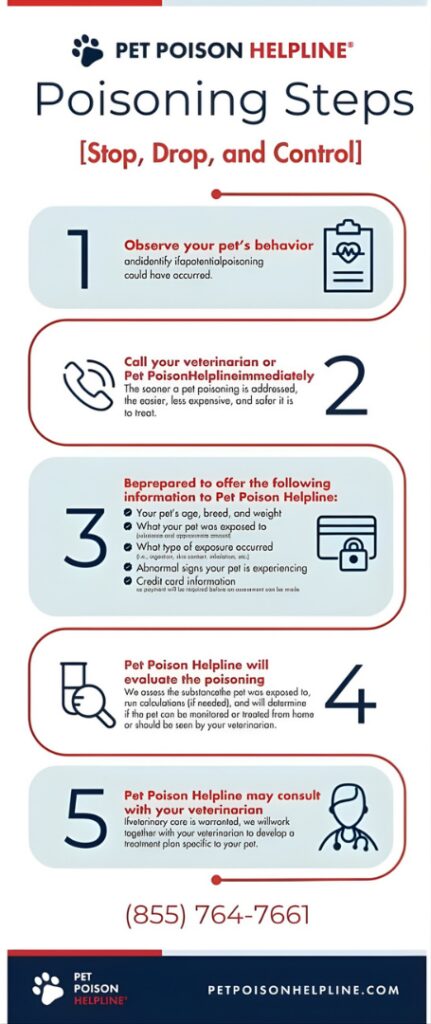
There are many hazardous items around your home that may lead to a very sick puppy. If your dog gets into any of the following, call us or call an emergency animal hospital.
1. Human Food
Some foods that we eat may not be well tolerated by our canine companions. Often, human food is more rich, fatty, and spicy than dog food which can lead to gastrointestinal issues and even pancreatitis. Other times, your dog may have food allergies or adverse reactions. It is best not to give your dog any human food.
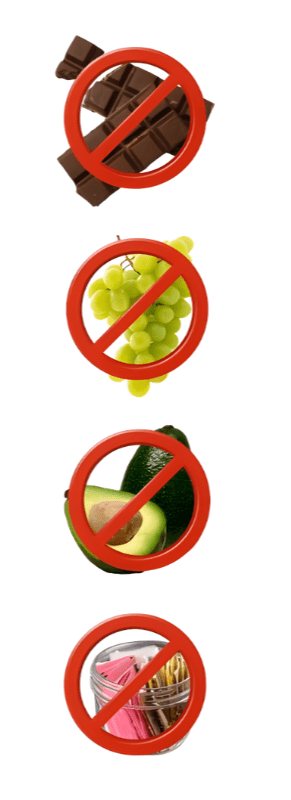
The most common example of dangerous human food is chocolate. Chocolate has ingredients such as caffeine and theobromine which are dangerous to dogs. Toxicities depend on percentage of cocoa powder, your dog’s weight, and amount ingested.
Other dangerous foods are:
- Grapes and raisins that can cause acute kidney failure
- Macadamia nuts that can cause complications in the gastrointestinal tract, tremors, and weakness
- Xylitol, an artificial sweetener, can lower blood sugar levels below normal – found in foods such as gum, certain peanut butters, and other sugar free foods
- Avocado that contains persin which may lead to vomiting and diarrhea
2. Rodenticides
Rodenticides are appealing to animals by nature and contain anti-coagulants that cause massive internal bleeding and rapid death. Dogs are bigger, so it takes the internal bleeding longer to initiate, but rapid medical attention and induced vomiting is crucial.
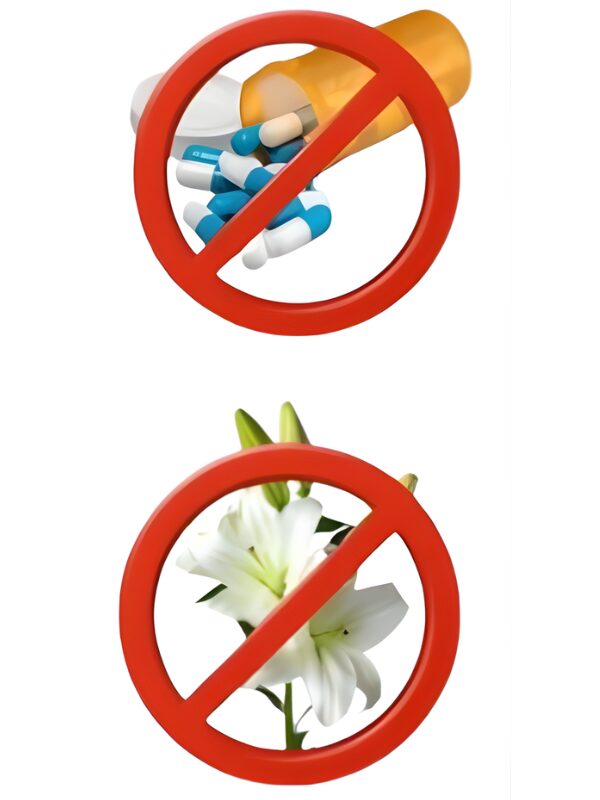
3. Human Pharmaceuticals Never give your dog over the counter or human-prescribed medication without consulting your veterinarian. Even child-proof pill bottles won’t work for dogs, so be sure to keep any bottles out of reach. Common human drugs such as acetaminophen (Tylenol) and ibuprofen (Advil) are toxic.
4. Plants Some puppies may chew on plants that may be toxic to them. Some examples of toxic plants are narcissus and hyacinth bulbs, oleander, rhododendrons, cyclamen, amaryllis, yew, lilies, and chrysanthemum. Always check the toxicity of a plant before bringing it into your home.
5. Fertilizer Fertilizer often smells like dog food, but may have nitrogen, potassium, phosphorous, insecticides, and herbicides as additives. It is best to restrict access to garage/gardens or use pet-friendly fertilizers.
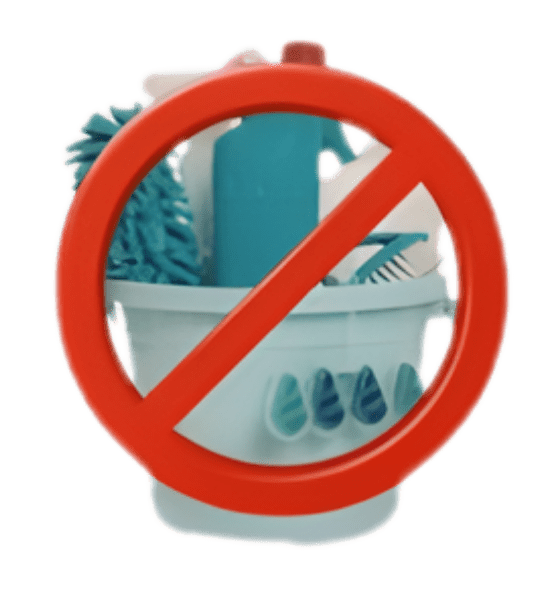
6. Cleaning Products Most cleaning products are as toxic to dogs as they are to us. Store all cleaning products away or use natural, organic options instead. If your puppy ingests products containing bleach, do NOT induce vomiting but encourage drinking of water and milk. Seek immediate veterinary care