
Pre Anesthesia Blood Work
An Important Step in Keeping Your Pet Safe
One of the most important ways we help ensure your pet's safety during anesthesia is through pre-anesthetic blood testing. While many pets appear healthy on the outside, bloodwork can reveal hidden medical conditions that may affect how they respond to anesthesia or surgery. This information allows us to tailor an anesthetic plan specifically to your pet's individual needs.
A Complete Blood Count (CBC) evaluates the different types of cells circulating in your pet's bloodstream, including red blood cells, white blood cells, and platelets. These values can help identify anemia, infection, inflammation, dehydration, or clotting abnormalities that may increase surgical risks.
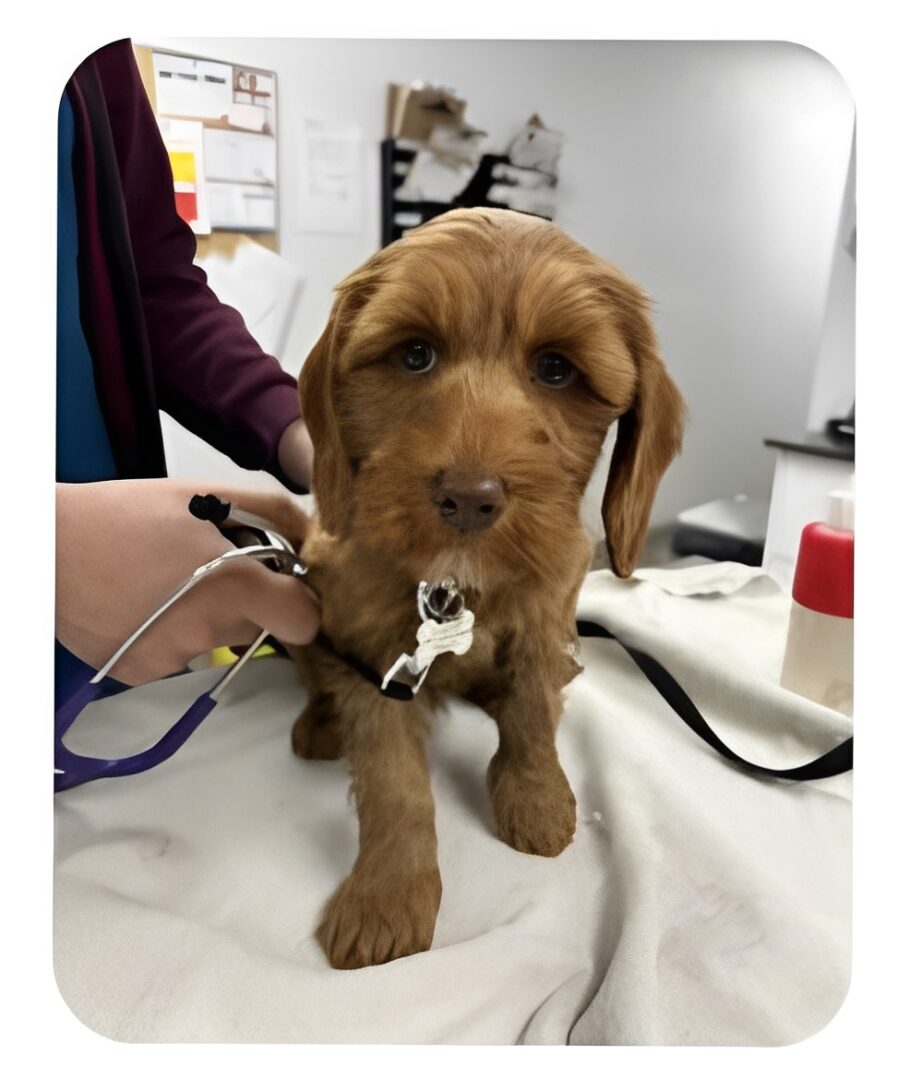
In addition to the CBC, we perform blood chemistry testing to assess the function of major organs such as the liver and kidneys. These organs play a critical role in processing medications and anesthesia. We also evaluate blood glucose levels, proteins, and electrolytes to ensure your pet's body is functioning properly before the procedure.
In simple terms, pre-anesthetic bloodwork helps us determine whether your pet is healthy enough to safely undergo anesthesia. If any abnormalities are detected, we can often make adjustments to the anesthetic protocol, recommend additional testing, or postpone the procedure until any concerns have been addressed. This proactive approach significantly improves patient safety and helps us provide the best possible care.
Most blood tests can be performed quickly in our in-house laboratory, allowing us to review the results before your pet's scheduled procedure. We will discuss the findings with you and answer any questions you may have before moving forward.